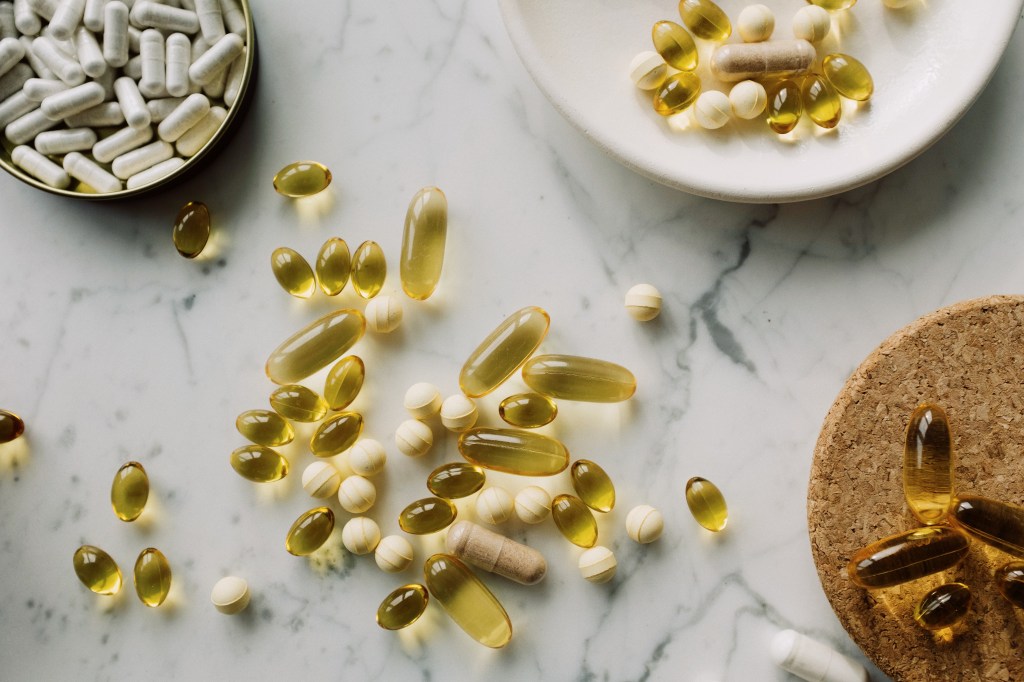
Supplements come in many forms. People often wonder which forms are the best and which absorb more effectively than others. So let’s go over the different formats available and then decide which would be the best for a person. Not only does it come down to bioavailability (how effectively something is utilized by our body) but it also comes down to what schedule you’ll be keeping and what works for you as an individual.
Liquids
Liquids are the most bioavailable (absorbable) supplement format for our bodies, however they unfortunately come with some drawbacks. First, they usually have to be kept in the fridge after opening, which for many of us, means out of sight out of mind. Plus, if you’re like me and you eat zillions of fruits and vegetables you also need to be able to store your food which means you do not necessarily have refrigerator space for your supplements as well. Another drawback is the shelf life, as once opened liquid supplements generally only last a month or two in the fridge. If you are the type of person that will remember to take your supplements every day and have enough room in your fridge, I would personally purchase these as they are the absolute most effective format for you. People with digestive disease such as Crohn’s or people who just had gastric surgery should always consume their supplements in this format to ensure they absorb into their system effectively.
Powders
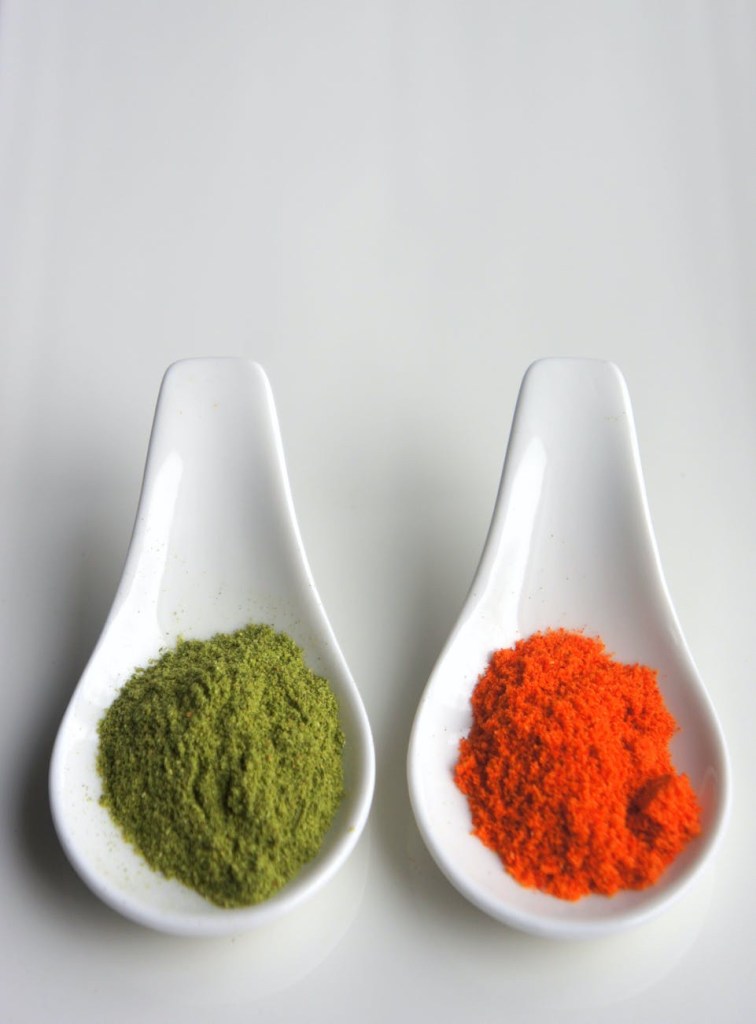
Powders are the next best supplement form as a person generally adds them to a liquid to consume them which makes them liquid.
Capsules & Softgels
Capsules are those that you can twist to open and pour out the contents. Almost all supplements come in capsule form unless they require a softgel format. Capsules usually have a powder or herb inside that you can see. Capsules are less bioavailable than softgels but more bioavailable than tablets.
Softgels are actually my preferred method of supplementation because I can put them in my daily vitamin holder so that I do not forget to take them. Often softgels are liquid inside, which means once the softgel dissolves, the contents are liquid and way more bioavailable to the body. Some products are not capable of being made into softgels and are encapsulated in capsules instead.
Tablets
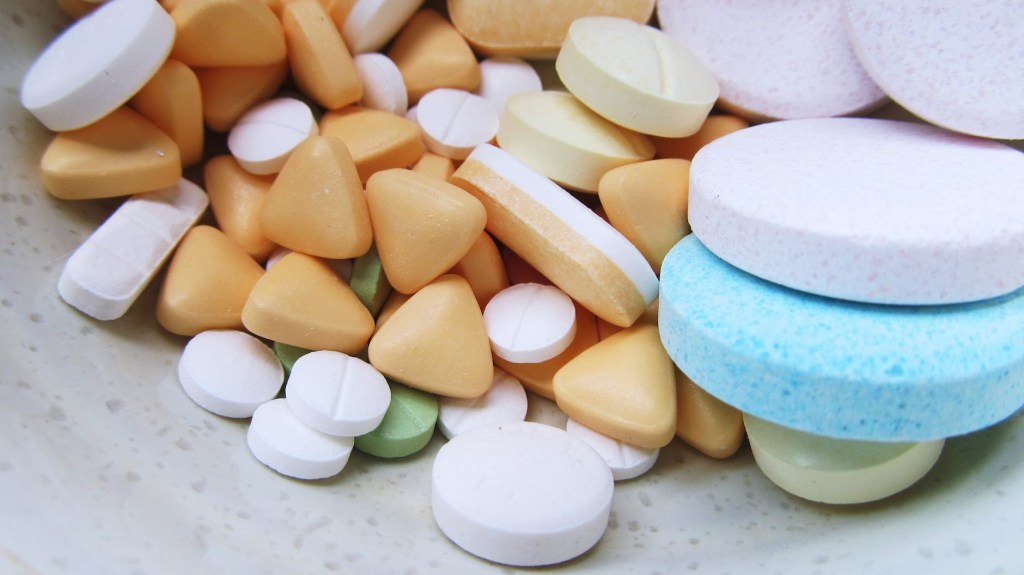
Tablets are those hard pressed items that can sometimes look like horse pills. Calcium is the ones you normally see in tablet form zinc and potassium often come that way as well. Sometimes vitamin C is also in this format. I personally avoid tablets as your body doesn’t use them as efficiently and if they get stuck in your throat it’s terrible. Vitamin D3 is one I do not recommend at all in tablet form as it requires a fat source to absorb properly (softgels or drops are the best format for Vitamin D3 as they contain oil as a medium to get it into our bodies). If you do have Vitamin D3 in tablet form, be sure you eat with it to ensure there is fat to absorb. The reason many people buy tablets is because they are usually more cost effective.
Let’s be real though, whichever format you prefer is better than none, especially when you are deficient in nutrients.

 Wild Blue Holistic Nutrition & Wellness
Leave a comment